Interior design
Interiors shaped by material, light, and movement.
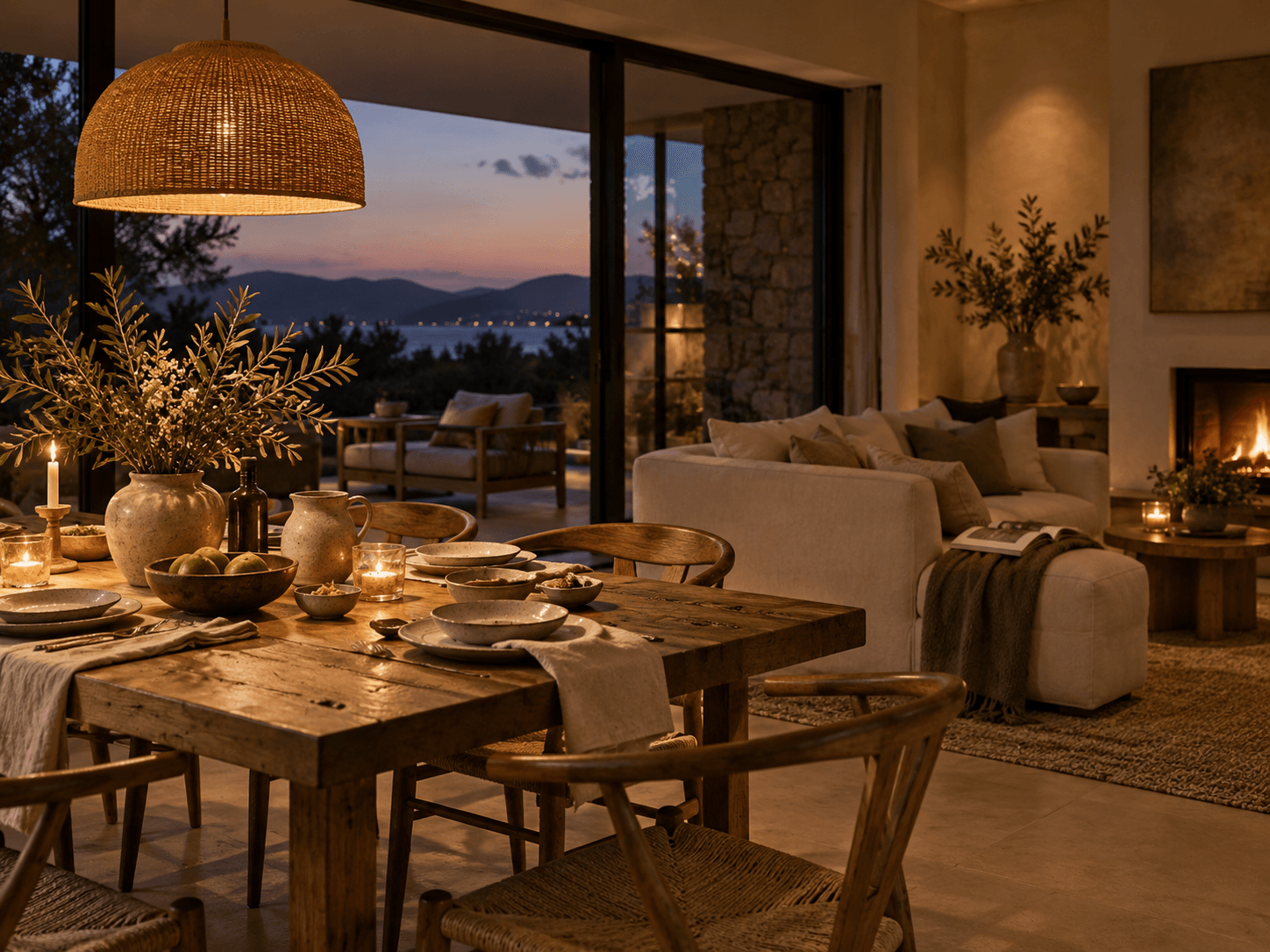
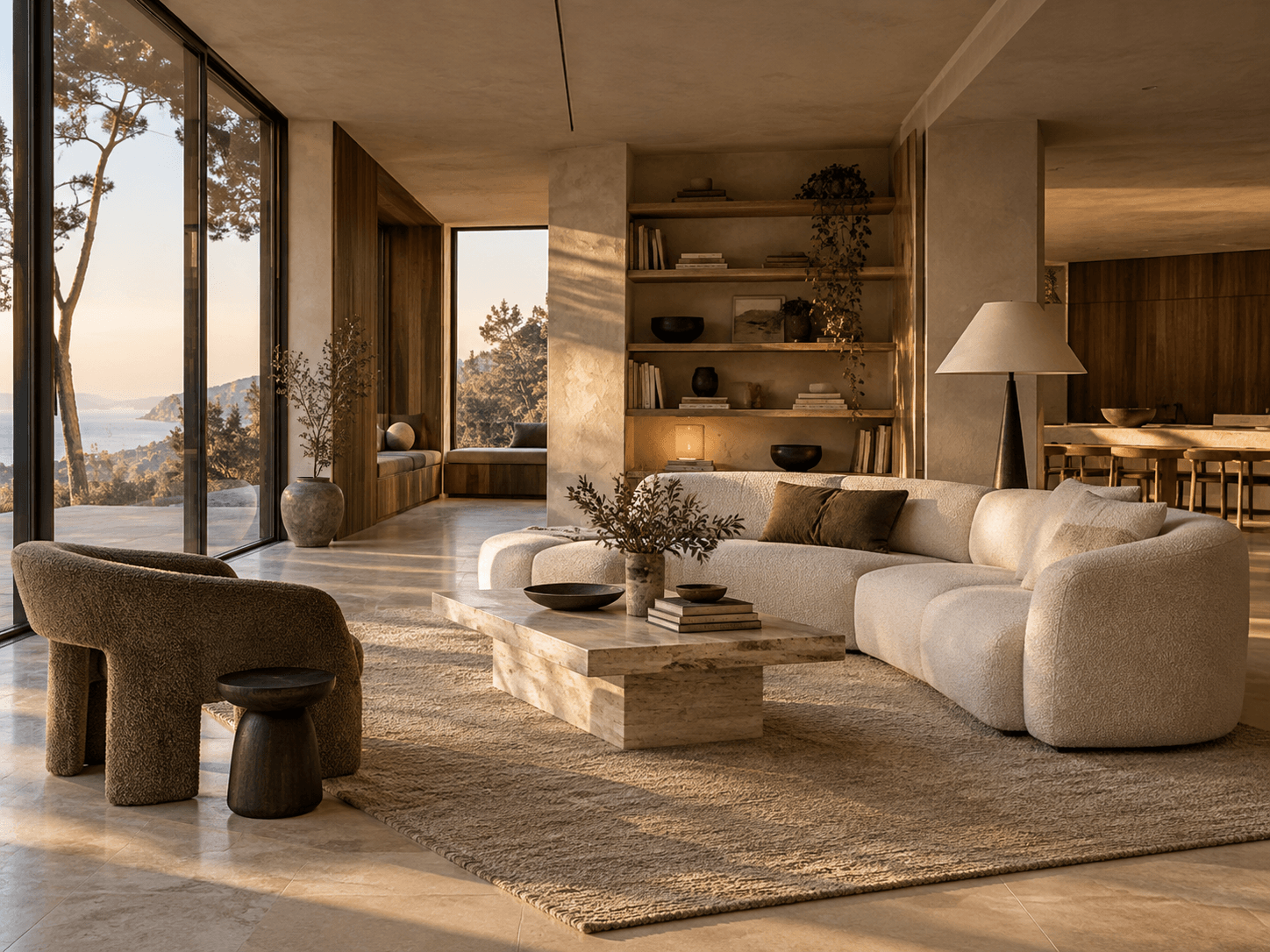
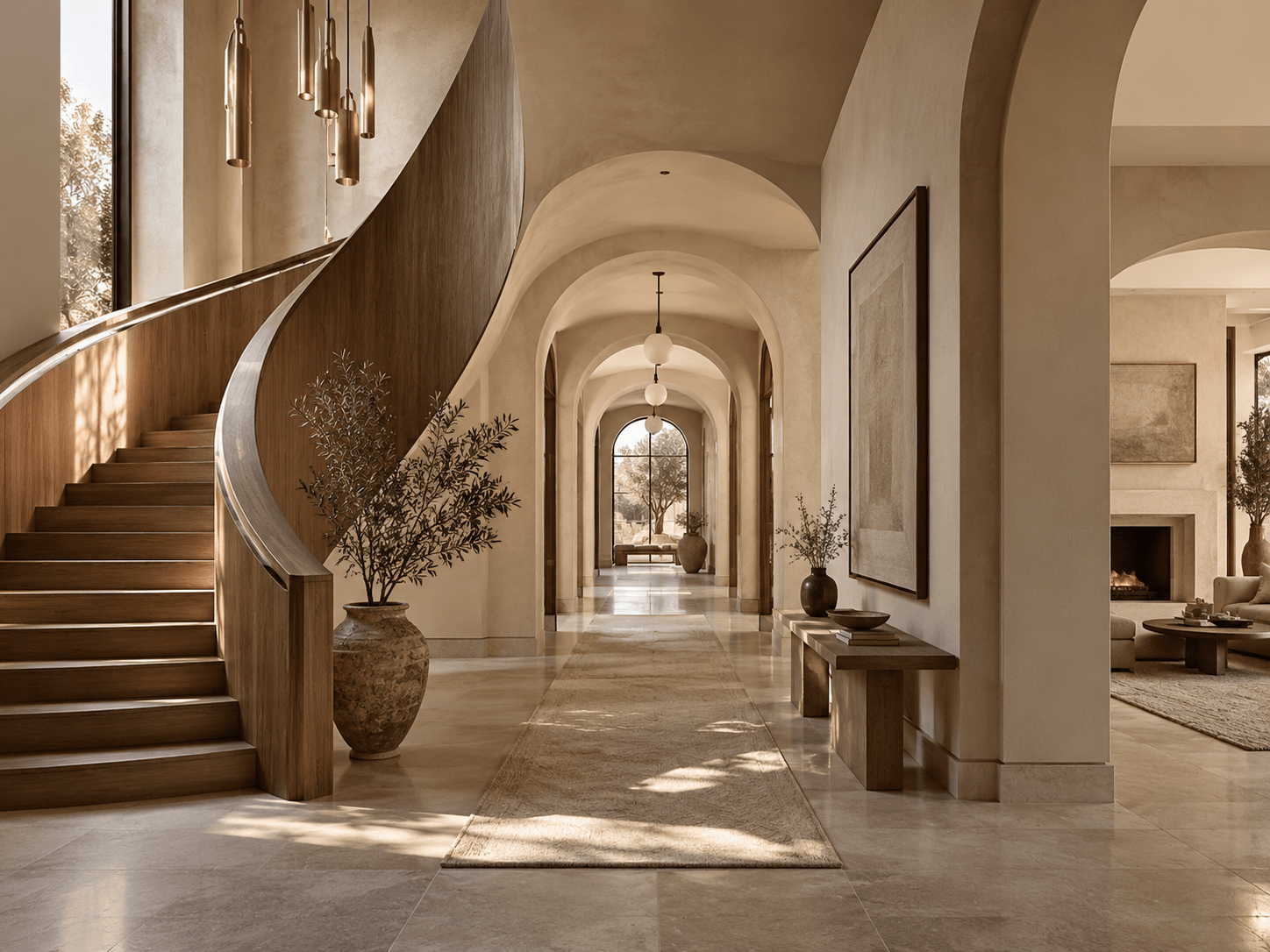
Ovie approaches interiors as an extension of the architecture itself. Spaces are developed through proportion, circulation, texture, light, and the way people move through them every day.
The scope
What we do.
- Spatial planning
- Interior architecture
- Material selection
- Lighting direction
- Built-in elements
- Furniture coordination
- Custom detailing
- Visualization
Our process
Our approach.
Understand the space
We study how the interior connects to structure, openings, circulation, and everyday use.
Define the atmosphere
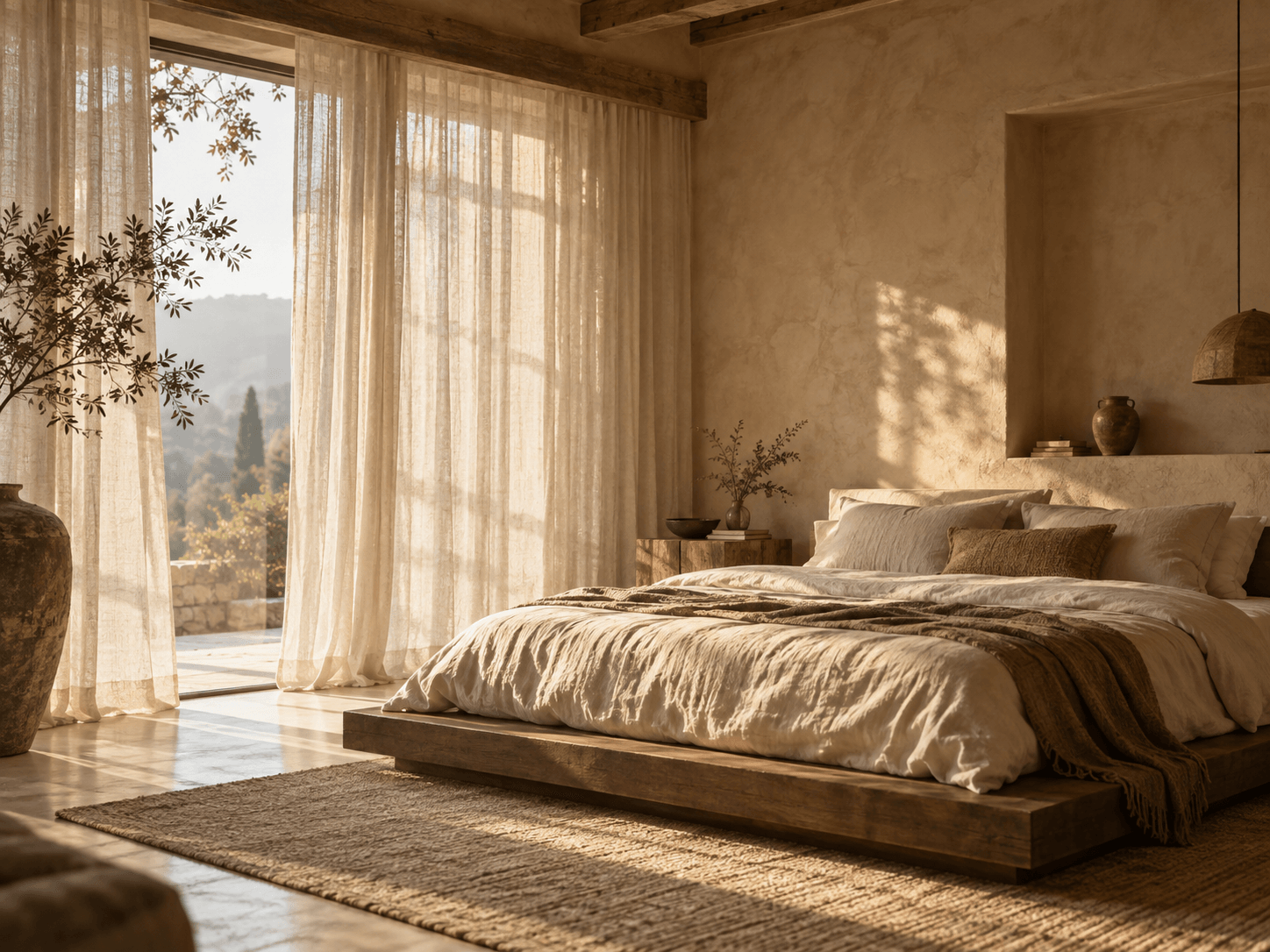
Material, light, scale, and texture establish the character of the space.
Refine the movement
Furniture, openings, partitions, and built-in elements are arranged around natural movement.
Resolve the details
Junctions, finishes, fixtures, and custom elements are developed as part of one system.
What guides the work
Design principles.
Space before decoration
The layout should work before anything is added to it.
Material carries character
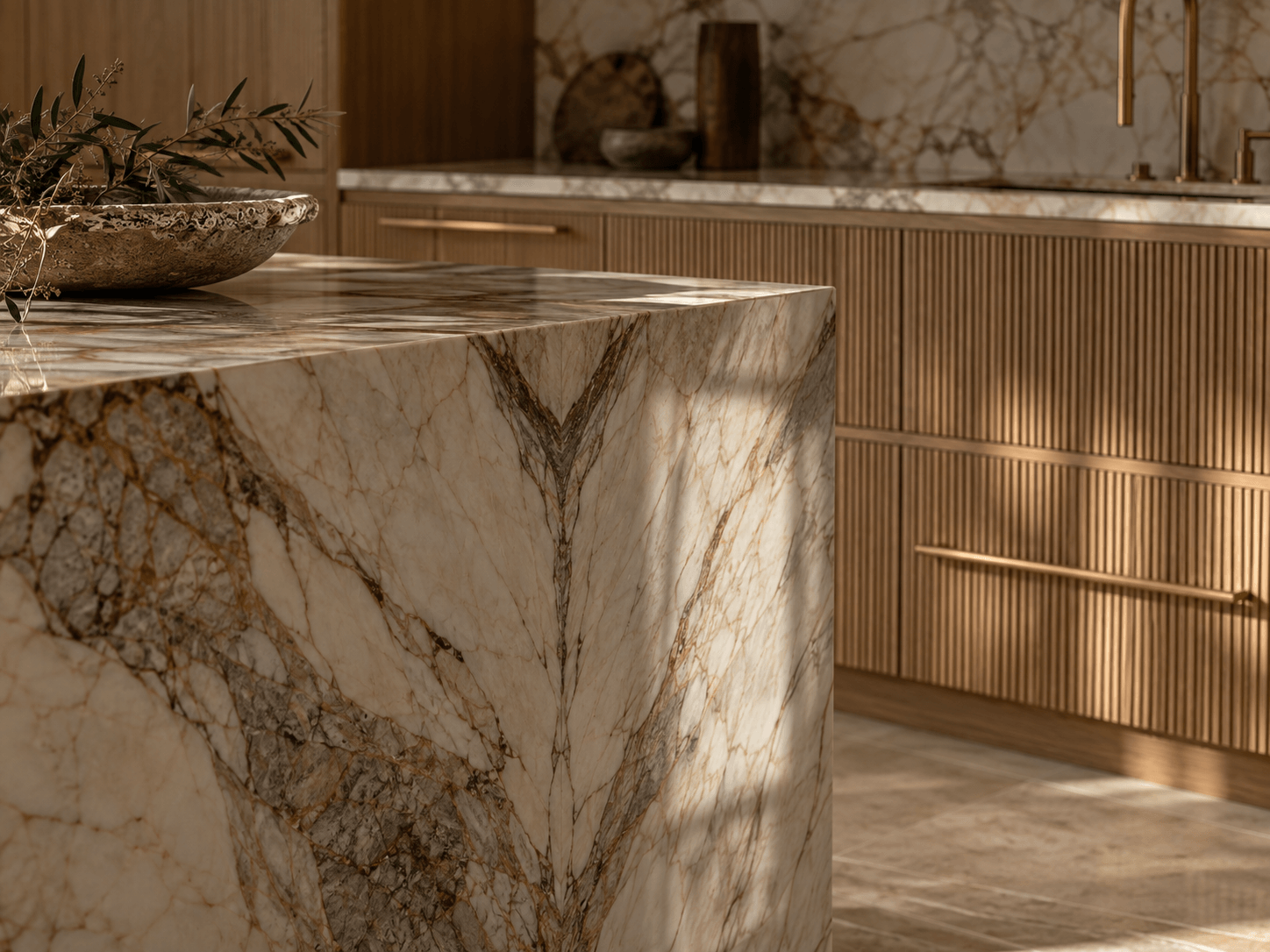
Texture and material create atmosphere without relying on unnecessary ornament.
Light defines volume
Natural and artificial light are treated as architectural elements.
Continuity matters
Interiors should feel connected to the building, not inserted into it.
The details that matter
What we consider.
- Circulation
- Natural light
- Material transitions
- Furniture scale
- Acoustics
- Privacy
- Storage
- Lighting
- Durability
- User comfort
The work made tangible
Deliverables.
- Space planning
- Furniture layouts
- Reflected ceiling plans
- Material palettes
- Lighting concepts
- Joinery studies
- 3D visualization
- Interior elevations
- Detail drawings